Installation & Repairs

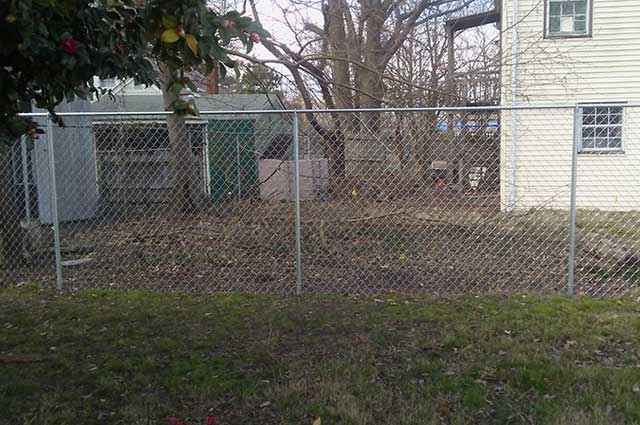
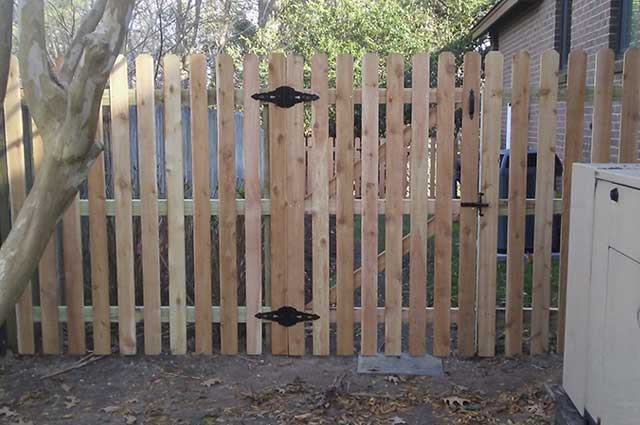
Residential Fencing

FREE ESTIMATES & PROFESSIONAL INSTALLATION

Fencing

Residential

Residential Fencing: A Buyer’s Guide for Homeowners

Looking for the right fence for your home but don’t know where to start?

With a wide range of fencing material options and designs, it can be overwhelming to choose one. You may not know the installation costs or the level of curb appeal a new fence can add to your property. A high-quality residential fence will add timeless beauty and value to your home. It can also provide much-needed privacy and security while withstanding the elements for years to come. Your home can feel exposed or lose curb appeal if you choose the wrong fencing style.

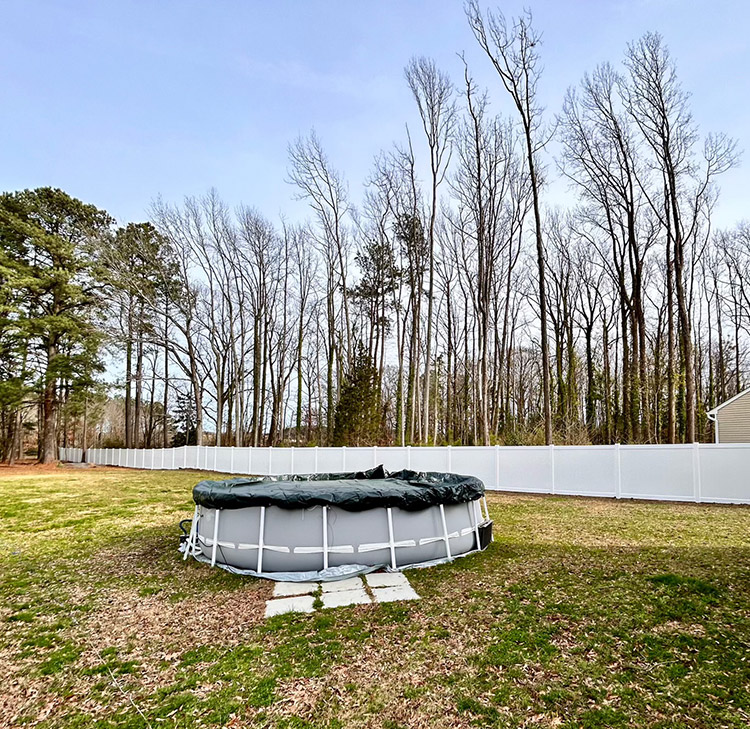
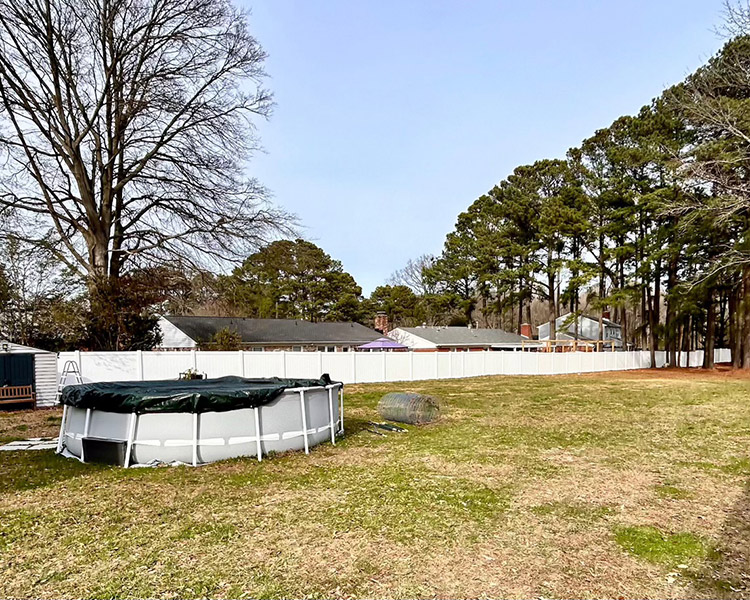
Whether you need to secure a backyard for pets, enclose a pool, or simply define your property line, we can help. Learn how different residential options vary based on installation, material type, cost, and durability.

Read More

What Is Residential Fencing?

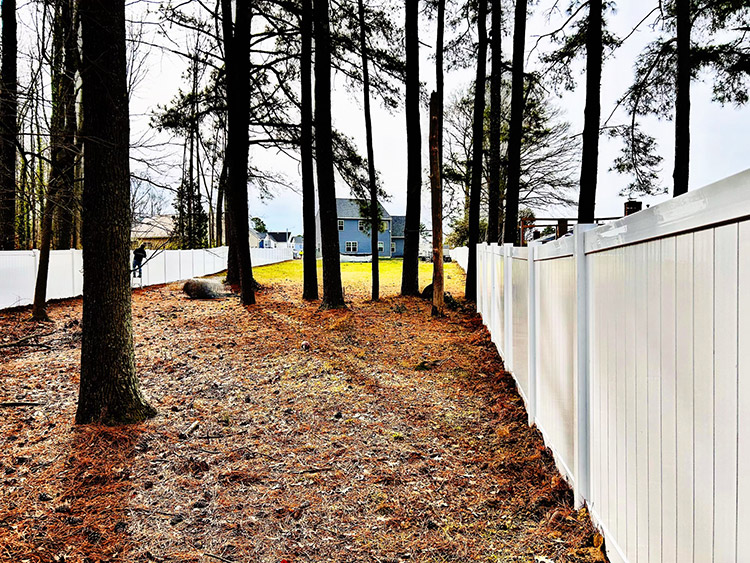
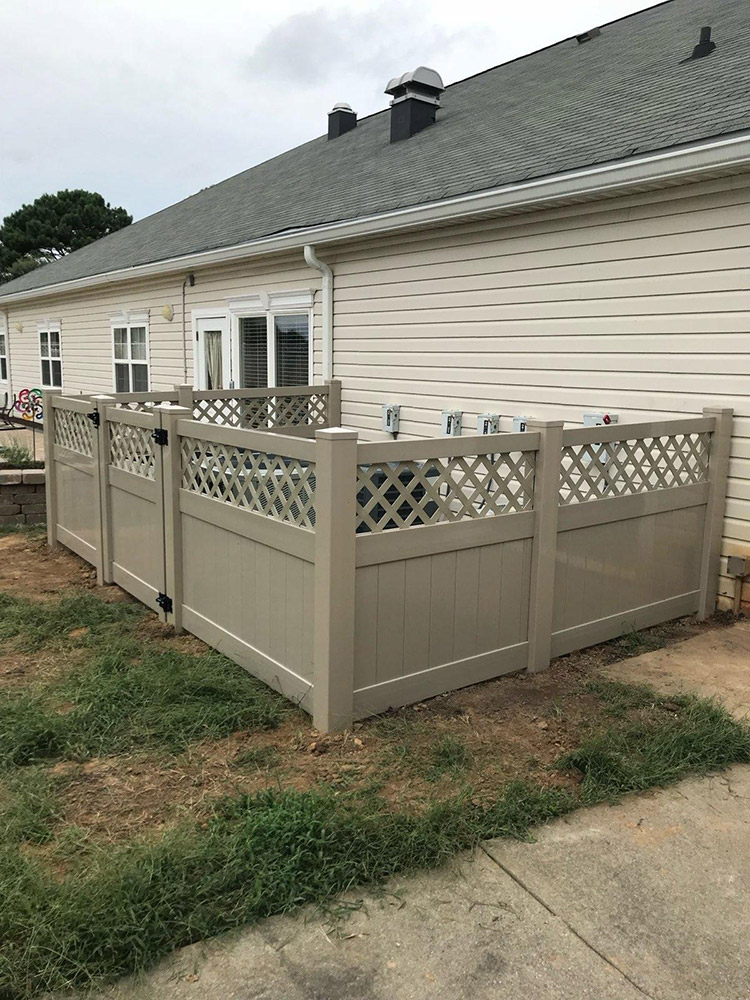
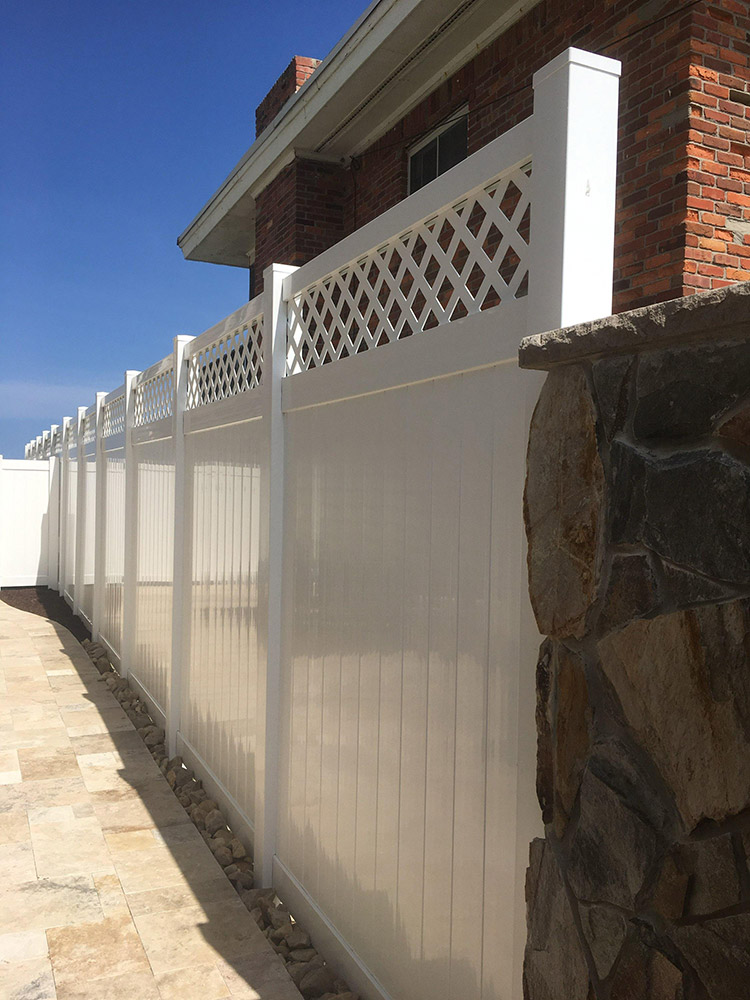
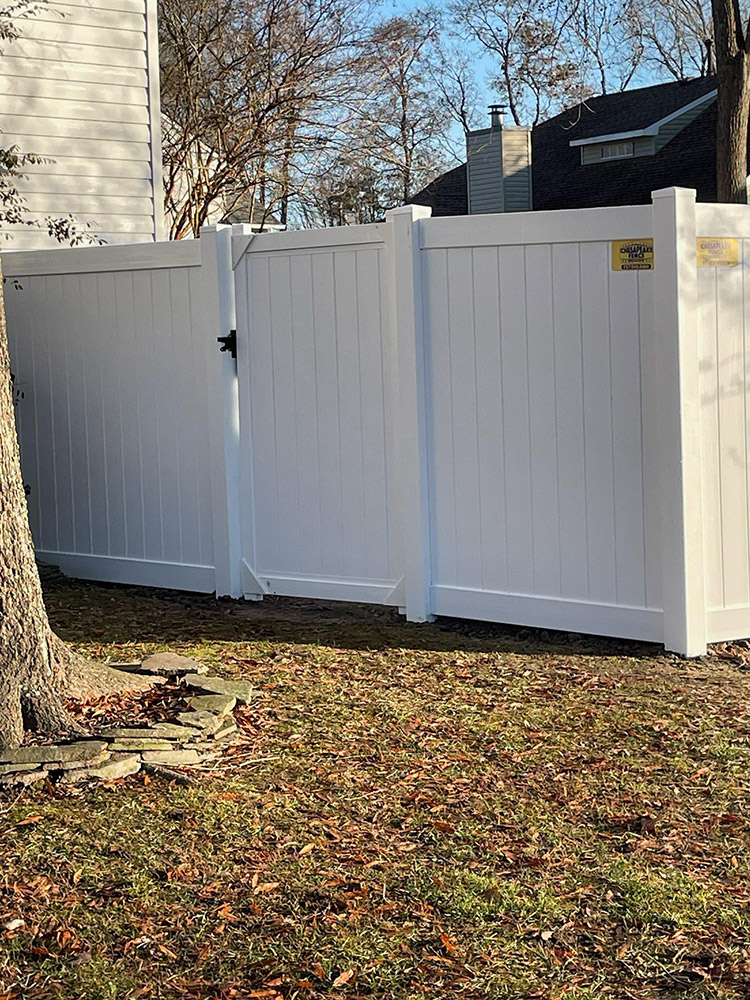
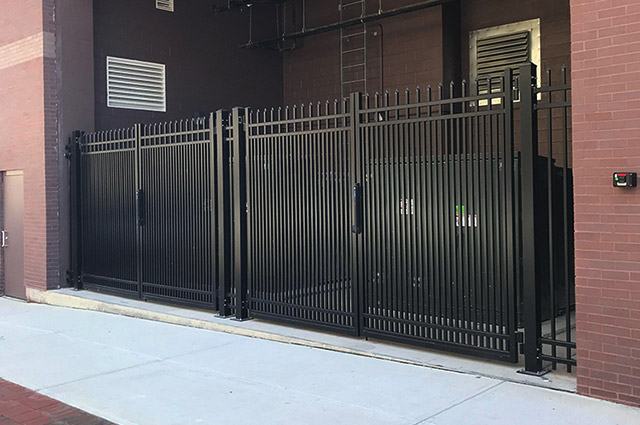
Residential fencing consists of vertical pickets or panels supported by sturdy posts anchored into the ground. These structures are used on private properties to act as a safety barrier, provide privacy, and improve the overall look of your landscape. Unlike commercial applications, residential fencing is often focused on personal aesthetics and local HOA compliance.

A well-installed fence protects your children and pets, keeping them safely within your yard. It also offers a clear boundary that deters trespassers and provides a sense of seclusion from neighbors. For a successful project, every part of the installation should be handled with precision to ensure your fence stays straight and strong for the long haul.

Frequently Asked

How Does Residential Fencing Differ from Railing?

While they may use similar materials, a fence is an upright structure designed to enclose an entire area or restrict access to a property. It helps maintain privacy and creates a backdrop for your landscaping. Fences are versatile and can be installed on flator sloping ground to mark your property boundaries.

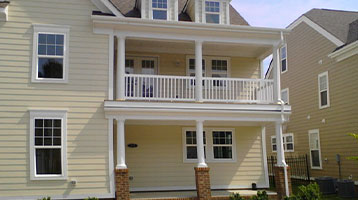
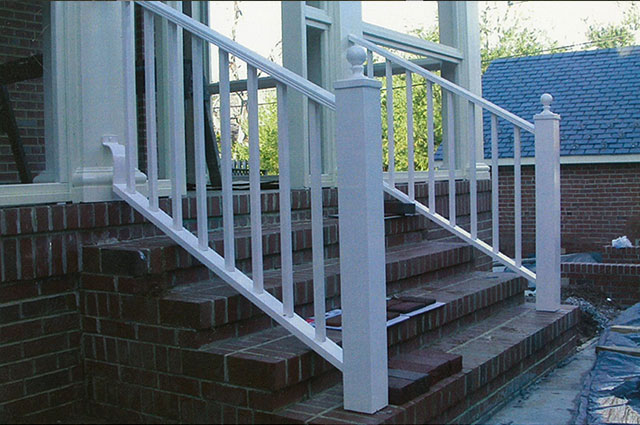
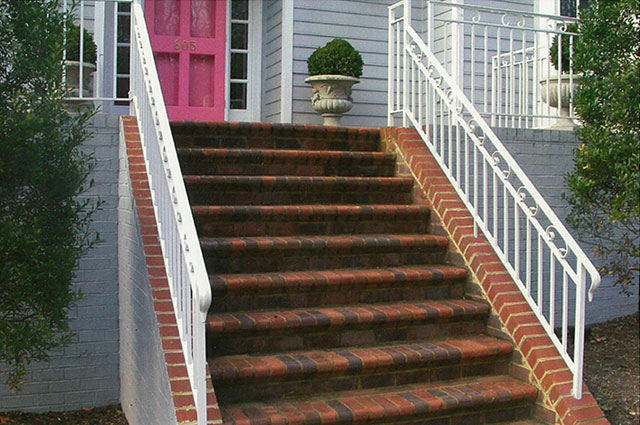
In contrast, a railing acts as a specific safety barrier within a property—usually on decks, porches, or stairs—to prevent falls. While railings must meet strict graspability and load-bearing requirements for safety, residential fences are primarily designed for height, wind resistance, and visual appeal.

When choosing a fence, homeowners consider factors like maintenance (such as Vinyl vs. Wood), privacy levels, and local Zoning and Approval laws. While railings are essential for elevated surfaces like balconies or pool decks, a fence is your primary tool for securing the perimeter of your land.